In today’s world, effective waste management in facilities is not just about disposal; it’s about adopting innovative strategies that emphasize reduction, reuse, and recycling. As environmental concerns and sustainability goals take center stage, facility managers are increasingly seeking ways to minimize waste footprint and implement eco-friendly practices.
Beyond Basic Separation
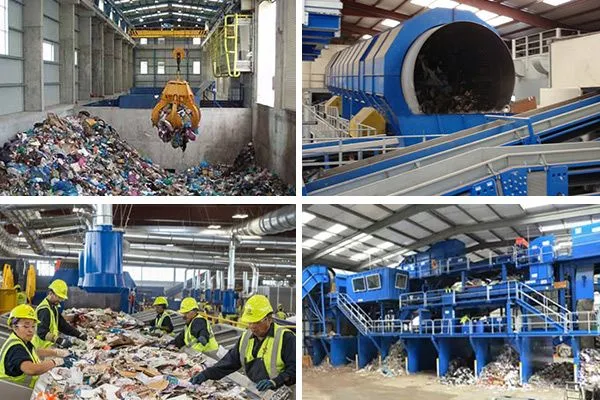
One of the most effective strategies is the implementation of comprehensive recycling programs. This involves not just the basic separation of recyclables but also the introduction of specialized recycling streams for electronics, hazardous materials, and organic waste. By doing so, facilities can significantly reduce the amount of waste sent to landfills and contribute to the circular economy.
Converting Waste into Resources
Innovative waste-to-energy initiatives are also gaining traction. These programs involve converting waste materials into usable forms of energy, such as heat, electricity, or fuel. For facilities producing a substantial amount of organic waste, technologies like anaerobic digestion can be a viable option, transforming waste into biogas that can be used for heating or electricity generation.
Sustainable Procurement Practices
Reducing the overall waste generated is another key aspect. Facilities can achieve this by adopting sustainable procurement practices, such as choosing products with minimal packaging, opting for bulk purchasing, and selecting items made from recycled materials. Encouraging practices like double-sided printing and digital communication can also significantly reduce paper waste.
Food Waste Management
Food waste management is a critical challenge, especially in facilities like hotels, restaurants, and corporate cafeterias. Implementing strategies like composting, donating surplus food, and optimizing food preparation processes can effectively reduce food waste and its environmental impact.
Fostering a Culture of Responsibility
Moreover, engaging and educating building occupants about sustainable waste management practices is essential. Initiatives like waste reduction campaigns, informative signage, and involvement in recycling programs can foster a culture of environmental responsibility and collective action.
Implementation Challenges
However, implementing these innovative waste management strategies requires careful planning, adequate resources, and often, a cultural shift. Facility managers must assess the specific needs and capabilities of their facilities and engage all stakeholders in the process.
Conclusion
In conclusion, innovative waste management in facilities is a multi-faceted endeavor that goes beyond mere disposal. By embracing reduction, recycling, and energy recovery, facility managers can lead the way in environmental stewardship, setting an example for sustainable operations and contributing to a healthier planet.